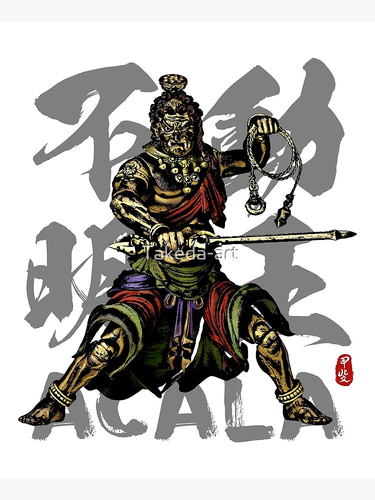
Fudo Shu or Samurai Buddhism is meant to bring new vitality and relevance to Buddhists who want to be victorious in life and death
Founder Zenji Nio as Shuso where Fudo Buddha is Honzon
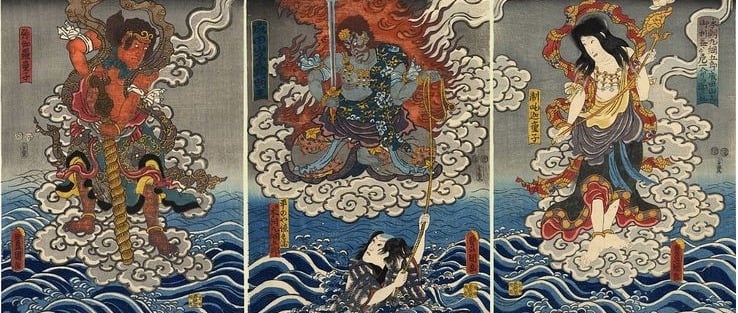
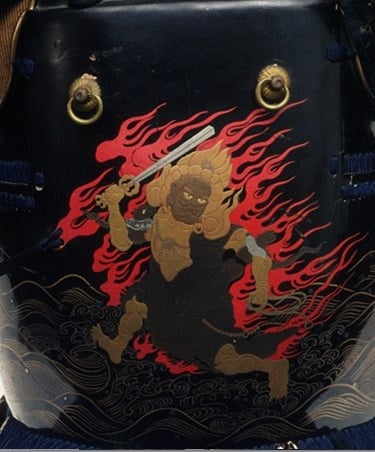
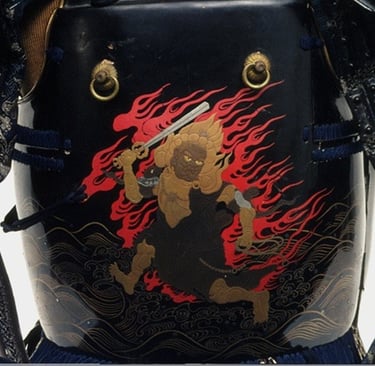
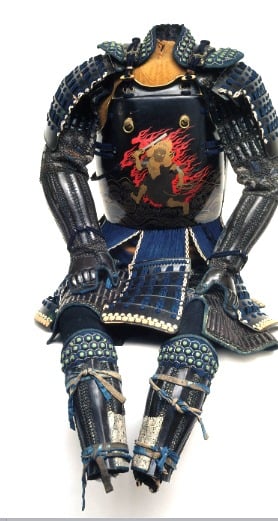
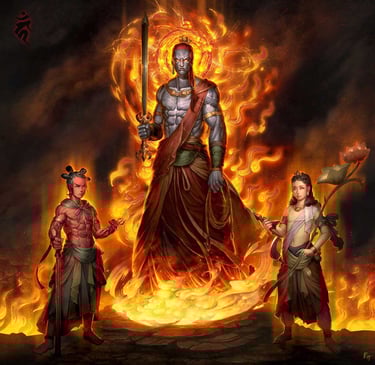
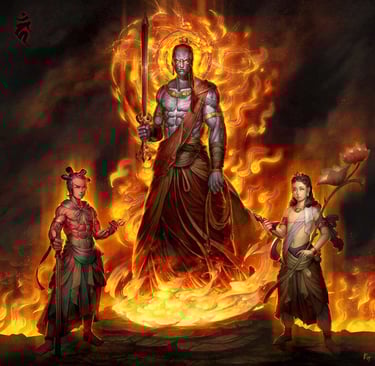
Rev. Zenji Nio set an all-time record at the Olympics for using Samurai Buddhism and Bushido to help more medalists than any coach in history. Rev. Nio was also called the "foremost Buddhist expert in the world" by Indian Express as he has a unique masteryry over the original Buddhist scriptures in Sanskrit -- and was profiled alongside Harvard Dean Chris Queen as a "world-renowned authority on Japanese Buddhism... when he speaks, the world listens". Inspired by Prince Shotoku and the Tendai tradition that birthed Kamakura Buddhism spanning Jodo Shu, Jodo Shin shu, Nichiren Shu and Zen Shu, Zenji Nio studied all sects of Japanese Buddhism and became the only Ajari to recite entire prayer sermons to Amida, Kannon and the Lotus Sutra in Sanskrit from memory and in perfect pronunciation. While Zenji Nio respects all Buddhist traditions, he noticed that many younger Buddhists are losing interest in the established Buddhist sects. Therefore, like the saints he reveres including Saicho, Kukai, Honen, Shinran and Nichiren that all brought something new to Buddhism, Zenji Nio has founded Fudo Shu (Samurai Buddhism) which is the only Buddhist sect to honor Almighty Fudo as the Ikki Honzon or Prime Deity -- and yet accessible to all without the hierarchy of any sect be it Shingon or Tendai or Zen. Fudo Shu is for everyone who wants to win in life's battles as well as find enlightenment with salvation in heaven as a backup -- in an all-encompassing Buddhist practice for winners and warriors who want to make their dreams come true and change the world -- with a tradition that is over 1000 years. Fudo Shu also represents the glory of history's most influential dynasty -- the Tang Dynasty, history's longest dynasty the Yamato Clan and history's most prosperous dynasty the Shogunate. It thus fosters Asian pride which is crucial to beat racism and to help the world's most advanced nations of Japan, China and Korea balance their futuristic materialism with their spiritual traditions.